A manufacturing company wins a big contract. While the requirements for monthly production have increased, the facility isn’t suddenly equipped with more area for floor or skilled workers. A temporary increase in production might be possible, but adding another shift can bring new requirements for labor education, supervision, training and quality control.
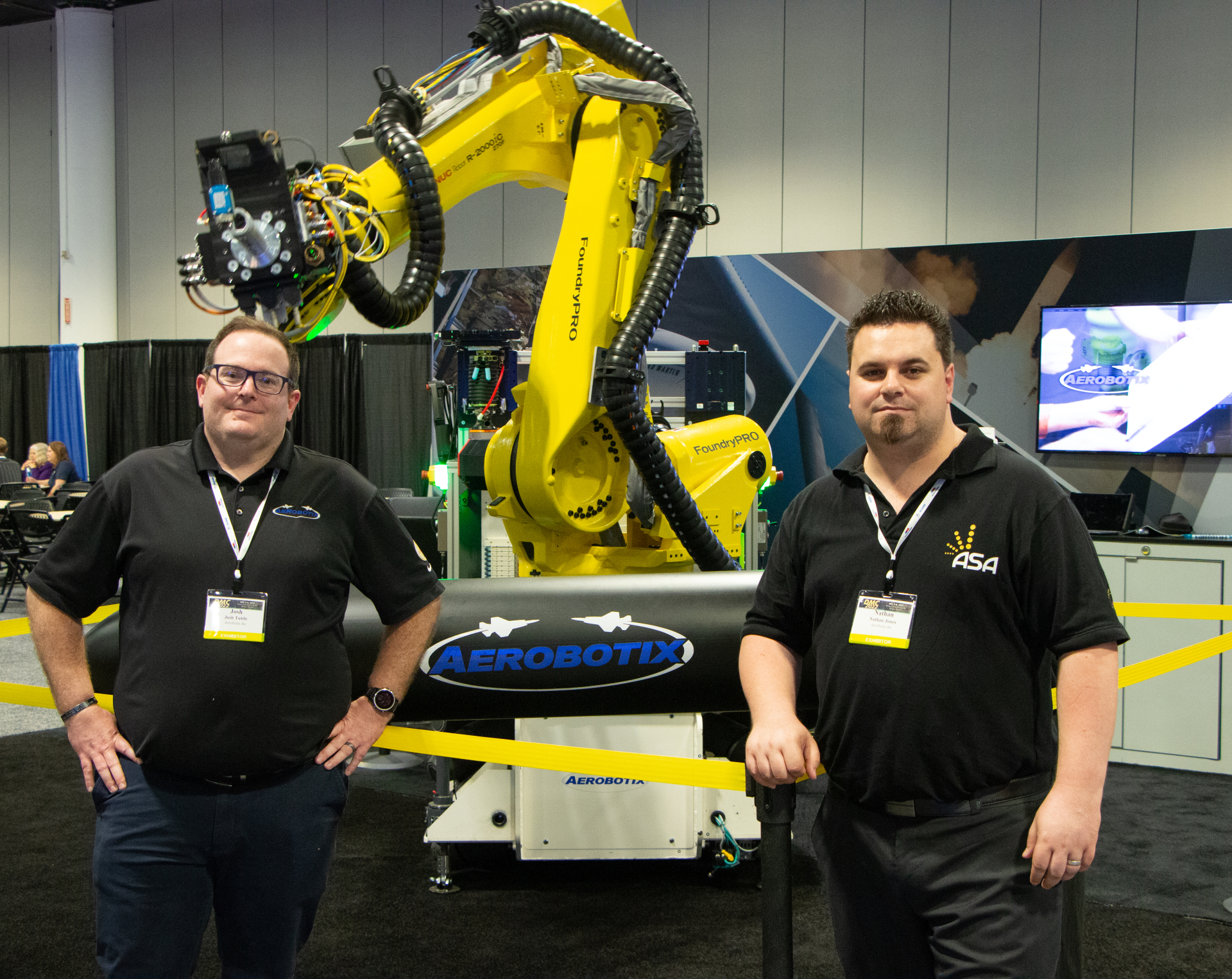
Image credit: automatedsolutions.com.au
This scenario reveals the primary motive behind robotic automation. Robotics doesn’t just replace humans with machines. A suitable application can alter the way manufacturers utilize their production capacity.
Have a look at the amount of time that is lost between products
Inefficient manufacturing is not always evident. A worker may take 15 seconds assembling the component after which 10 seconds are spent applying substances, and then a couple of seconds moving it onto the next stage. It may appear to be a small difference even for a single piece of equipment. It’s a lot when multiplied by thousands.
It’s the same for waste material. A tiny amount of surplus coating or dispensing material that is multiplied in a production run with a high volume could result in a significant expense.
The companies that are considering robotic automation Australia will gain from analyzing these small repeated losses prior to decide on the best equipment to buy. The analysis provided by ASA is designed to reveal problems with quality and bottlenecks as also any other limitations in a project.
A Robot Has to Fit the Process Itself
Robots are just one of many engineering choices. Controls, guardings and tooling as well as conveyors, sensors and fixtures may also be needed. Engineers must consider the reach of the robot and its payload, in addition to how it will interact with its surroundings and how it will move.
ASA provides conceptual development, system design, CAD simulation and offline programming as part of its strategy to FANUC’s robotic automation. Digital simulation lets engineers test configurations and estimate durations of the cycle before the system can be put in operation in the factory of the customer’s. This is particularly beneficial when space is limited or when new robotics have to integrate into an existing production line.
Painting and Dispensing Show Why It’s Important to Repeat
Certain manufacturing processes highlight the benefits of controlled movement particularly well. Imagine coating hundreds or thousands of parts. It’s not enough to finish every component in a short time. The movement, distance, speed, and application have be controlled starting from the beginning of the production process until the end.
ASA is a specialist in painting and dispensing solutions across a variety of industries, including automotive and aerospace. In these environments, industrial robotic automation can provide repeatable programmed movement while also reducing employee exposure to physically demanding or potentially hazardous processes.
A better management of materials that are discarded can contribute to productivity improvements by cutting down on the amount of waste material used.
Installing the system is not enough. You still need people to manage it.
Automation doesn’t remove the need for manufacturing knowledge. It requires new skills to manage and maintain the manufacturing process.
Employees need to be trained to safely use equipment, identify abnormal behavior or malfunctioning components, and complete any necessary maintenance. The needs for production may change with time, which means that processes and programs will need to be adjusted.
ASA provides training on site in safe operation, programming, troubleshooting, as well as mechanical and electrical maintenance. Additionally, the company provides maintenance as well as ongoing support to evaluate the condition of equipment and address issues that may arise during the equipment’s operational life.
Capacity is about more than Working Faster
In Australia, increasing capacity for production doesn’t always mean adding workers to repetitive tasks or purchasing bigger buildings. Sometimes, it is better to ask if the production process could be redesigned.
ASA has been creating and integrating automation solutions since 2002. It assists companies in Australia, as well as international projects. The approach is a combination of needs analysis as well as engineering simulation. FANUC integration training, and service.
Automation is not the aim. A system worth investing in must provide the manufacturer with measurable results, including greater reliability in production, better quality, more secure procedures as well as reduced waste or a higher capacity.