A deteriorating wastewater liftstation is located in a township. The pumps have reached the end of their life expectancy and the controls are inefficient as well as the access hatch has worn out. While the concrete wetwell is solid structurally, it requires to be modernized.
Should the station be completely demolished? Not necessarily. The more important issue is whether the existing infrastructure can support a modern pumping system without compromising availability, reliability or future capacity.
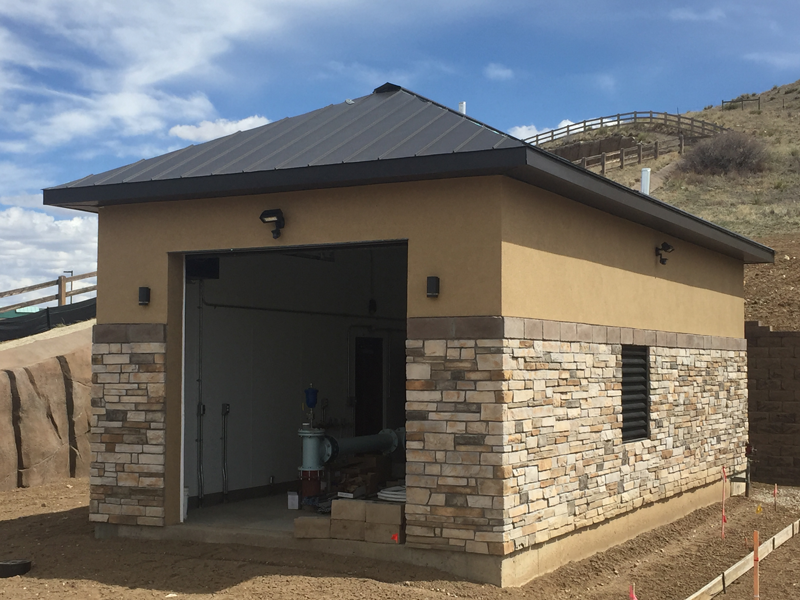
Image credit: romtecutilities.com
The retrofitting of a pumping station that is precisely designed can help save infrastructure and also replace components that no longer meet operating requirements.
Begin with the Structure that nobody wants to replace.
It’s expensive and time-consuming to replace the wet well because it is in the ground, connected to piping and is essential for wastewater collection.
Retaining a concrete construction that is still usable could reduce the excavation and construction.
However, damage to the access hatch may complicate the process. Romtec Utilities identifies wet well hatch replacement as a common retrofit requirement. Instead of affixing a fresh hatch to deteriorated concrete replacement of the entire top slab may offer a more long-lasting solution. This approach can improve access and improve the functionality of the structure without having to rebuild the entire wet well.
An improved pump changes the engine
Consider a neighborhood that has experienced a significant expansion since the establishment of the lift station. It’s possible that the current pumps are not able to handle increased the flow of wastewater.
A pumping station upgrade could be accompanied by higher horsepower pumps. However, equipment selection isn’t a part of the system in which it is located. Pumps that have higher horsepower might require adjustments to the discharge elbows and pipes and electrical controls, valves and other components.
Engineers must also consider the requirements for hydraulics of the system. This includes the rate of flow as well as dynamic head total. If you install a bigger pump without considering these factors it could create operational problems rather than resolve them. Making plans for future expansions during initial design will allow for a much simpler process to build later.
Make sure that the water for waste is flowing throughout construction
Retrofitting a wastewater pump station could be a new challenge. As with other equipment replacement projects, the station will need to continue operating for the duration of construction.
Wastewater continues arriving even when contractors are at work. In the case of a project it is possible that temporary bypass pumps will be required to keep operation while the existing equipment is taken away and new components are installed.
Romtec Utilities was able to address this kind of challenge in the Federal Law Enforcement Training Center in Brunswick, Georgia.
The project involved replacing two outdated wastewater lifting stations, and maintaining the operation at the facility. Site-specific engineering, packaged replacement systems, and bypass pumping techniques helped make room for the station’s footprints and operational needs. This example demonstrates the reasons why the sequence of construction is important to consider prior to installation.
In the event that replacement is not an option, it’s the best option, replace it.
Not every station is suitable to be renovated. A severely deteriorated wet well, inadequate structural capacity, or major changes in hydraulic requirements may make sewer lift station replacement more appropriate than modifying the existing installation.
In making a decision, it is important to consider the structural integrity of the structure, its compatibility with equipment, access to construction sites, service continuity and long-term requirements. Romtec Utilities starts retrofitting and replacing projects by identifying the components that are to be kept and those that will need to be replaced.
The company designs site-specific engineering solutions including preliminary designs, as well as budgetary estimates. Prefabricated components can also help organize installation and reduce some needs for construction on site.
The work isn’t done until the pumps begin to run.
The modernized lift station should work as a whole. Before returning it to normal service, it is necessary to start testing and commissioning ensures that the controls, pumps, and other equipment are operating according to the specifications of the design.
Training and manuals for operators are equally essential. Maintenance staff must understand the new equipment, operating procedures and documents before they can assume responsibility for the station.
Retrofitting successfully preserves the infrastructure and addresses the issues that required modernization.
For municipal facilities and facility owners, that means looking beyond the immediate repair. Most successful projects blend the latest equipment with the existing structures. They ensure essential services during construction and set up the pumping system to run for many years.