In normal weather conditions, a drainage system might appear to be in good working order. However, a rainy day can expose any weaknesses in the infrastructure of the property. Parking lots are flooded. Detention ponds are overflowing too quickly. Access roads can be hazardous. The lower areas start to build up water. The issue in a lot of cases is not simply rain. It’s because the area lacks the right system to actively move stormwater when gravity alone isn’t enough.
A stormwater lift station becomes essential. These systems are designed for collecting stormwater and then pumping it away from areas where runoff is naturally accumulating while also protecting buildings, roads and outdoor spaces. Lift stations are essential for every type of project whether it’s residential, commercial, municipal or industrial. It will keep the site functioning throughout and after a hurricane.
Stormwater management must be based on the specific site
Each property is different in how it manages runoff. Retail stores with huge parking areas behave differently than residential subdivisions, and they don’t have the identical requirements as industrial sites or municipal drainage projects. The flow rates, elevations of the site as well as detention requirements and discharge requirements all determine how a stormwater management program should be planned.
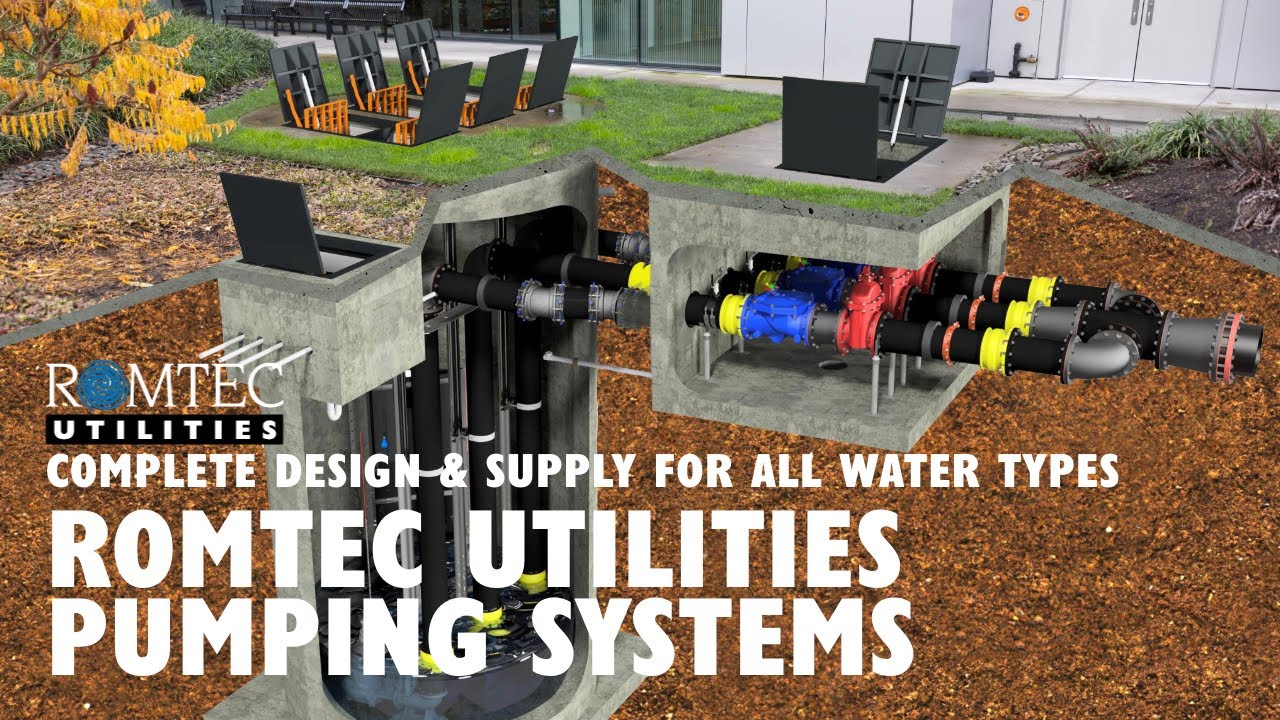
Romtec Utilities is not a company that handles stormwater pumping in a conventional manner. Each system is crafted for the specific pumping situation of a specific site which includes control of flooding, emptying detention ponds or wetlands, managing runoff on a newly developed property or supporting a large municipal drainage network. The best solution is determined by how much water is needed to be carried and the speed it needs to move and in what locations.
Stormwater runoff pumps are more than an individual pump within a vault
A solid stormwater runoff pump station is more than high-powered equipment. It’s a system that seamlessly integrates mechanical, structural and electrical components, with control to efficiently and consistently manage huge stormwater volumes. For the station to perform efficiently throughout its life it is crucial that all the critical elements work in perfect harmony. They include precise pump sizing and precise wet-well design, modern controls, as well as robust pipes, a robust power system, real-time monitoring, and durable pipes.
The best stromwater designers are distinguished by their total system integration. An exceptional design is not only able to fix an issue with drainage in the short term, it requires a long-term, proactive approach. The top engineering practices take into account ease of long-term maintenance and future demands for the site as well as the maximum operating efficiency. The entire system needs to be designed to endure harsh real-world conditions, and not rely on false assumptions.
It is vital to plan your project carefully, when you’re dealing with torrential flooding or designing municipal networks featuring high pressure like clean water booster pumps stations because failure of the system is never an possibility. Romtec Utilities designs its stormwater systems with these realities. The pump stations developed by Romtec Utilities are suitable to various applications. Owners can also benefit of assistance during the initial phase, training for staff and documentation.
Better planning creates better flood protection
A well-designed stormwater pumping system can lower the chance of flooding as well as improve the efficiency of the facility and also protect property around it from water damage. The pump station also can enhance the site’s resilience by ensuring that runoff from heavy rain is managed effectively and swiftly.
Stormwater infrastructure is often overlooked until it is damaged. A reliable stormwater liftstation is the best investment an owner of a home or municipal entity can make to regulate runoff more actively rather than passively. With the right design and the right support, a strong stormwater management system helps keep a site safer, more functional, and better prepared for the realities of changing weather.