It is not until much later that a lift-station’s performance will be determined. The design is determined by many factors including the flow calculations, elevation of the site the system pressure, water quality the peak conditions, access to maintenance, controls, and capacity to come.
When project managers are comparing the best lift station designers The most important question isn’t just who can design pumps. The question is not who can design pumps and who can translate site conditions and operational requirements into a system that is practical to construct and operate as well as maintain.
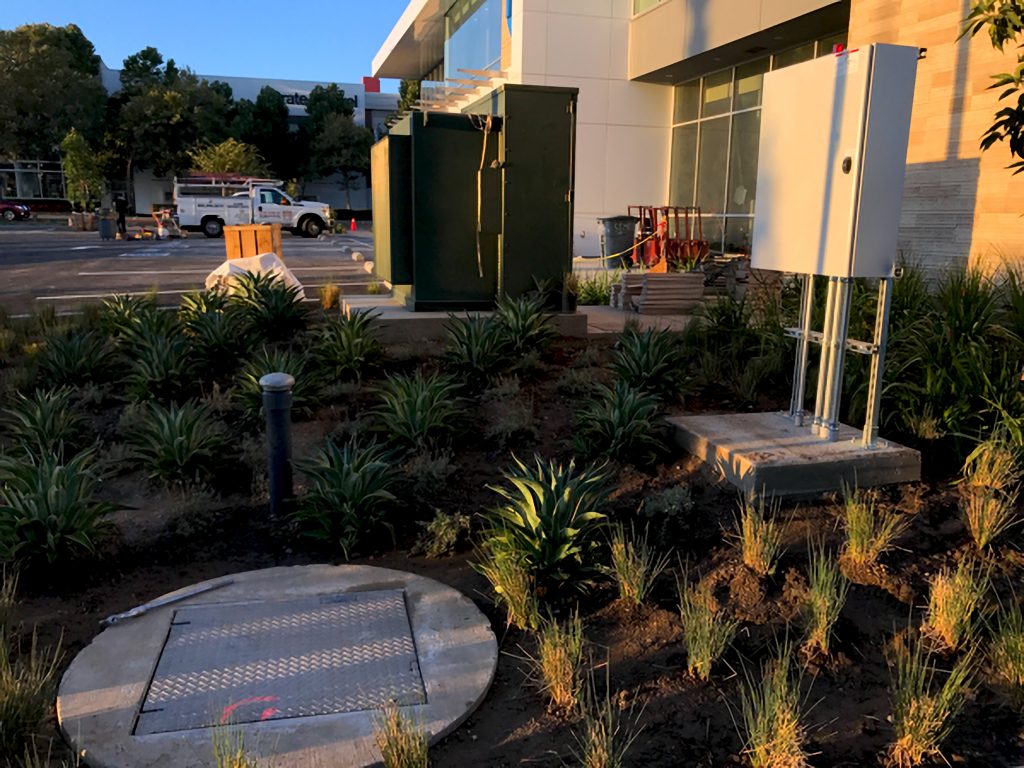
Image credit: romtecutilities.com
Gravity Limits Itself
Gravity is often the easiest way to move wastewater. However, terrain and building patterns can make it difficult. It is possible that the new residential, industrial or commercial locations are too large, far away or located in zones where gravity sewer expansion isn’t possible.
A lift station can provide the required force mechanically to transfer water from one location in the system of collection to another. It is important to consider the operating conditions that are normal and those that may be less convenient, such as the high inflows, maintenance of the pump and equipment breakdown, as well as the possibility of future increases in demand.
Companies considered among the best wastewater designers should therefore evaluate the entire conveyance problem rather than treating the station as an isolated piece of equipment.
Existing infrastructure can complicate the puzzle
The main issue isn’t building new structures. In addition to maintaining the essential infrastructure for wastewater municipalities frequently need to upgrade or replace their aging stations.
Forcemains, wetwells electrical services and controls, site boundary, and downstream Infrastructure can restrict the new design. Engineers must consider what elements can be reused, what must be replaced and how new components can be integrated into the existing system.
Romtec Utilities works across municipal commercial, private industrial, retrofit and replacement programs, allowing pumping systems to be developed to meet the unique operational and ownership requirements of every project.
Stormwater Follows Different Rules
The most effective stormwater system design must use the provided search terminology to solve a different hydrologic problem. Stormwater systems are subject to extreme volume fluctuations depending on rainfall and other factors such as the area of drainage capacity, detention capacity, and the rate of discharge.
Stations that serve detention basins, for instance, may have to temporarily store the runoff before pumping it out at a set rate. Engineers should consider the head and flow conditions, environmental demands as well as flood management goals as well as the particulars of the drainage system for receiving.
Prefabrication allows you to move the work off-site
Complex field assembly can create opportunities for conflicting schedules, installation errors, change orders, and delays. Romtec Utilities uses substantial prefabrication before bringing equipment to the site of the project.
Incorporating more assembly and quality-control work in a controlled environment will reduce the amount of construction required in the field. Romtec Utilities’ project approach can speed up the duration required to set up certain kinds of equipment.
Our commitment to engineering success extends to commissioning
It’s not enough to put in all the parts to be deemed a tested one. Romtec Utilities is an installation advisor and will follow the process of construction from startup to control-panel check, pump operation, testing the system and staff training. The documents also provide information that the operators may refer to when are maintaining the system, or thinking about future expansion.
This final stage is important for owners who are searching for the most reputable lift station designs. A good engineering project should produce more than sketches that are acceptable. The station owner must be able to operate a well-functioning system, well-trained staff, efficient documentation and equipment specifically designed to handle the challenges that the station is expected to face in daily operation.